

- Why Borrow as an LLC Instead of a Personal Borrower
- Requirements for Getting a Loan with Your LLC and EIN
- Step-by-Step Process to Apply for an LLC Business Loan
- Types of Loans Available for LLCs Using an EIN
- Where to Apply: Banks, Credit Unions, and Online Lenders
- Common Mistakes That Lead to Loan Rejection
Getting financing in your LLC’s name—rather than your own—changes everything about how your business operates financially. You’ll use your company’s Employer Identification Number instead of your Social Security number, which keeps your personal credit separate from business borrowing.
Why does this matter? When you borrow personally for business expenses, you’re on the hook if things go south. Your house, savings, and personal credit score are all at risk. But when your LLC borrows using its EIN, you’ve created a wall between business problems and personal finances.
The catch: you can’t just register an LLC today and walk into a bank tomorrow expecting a loan. Lenders want to see history, revenue, and proof that your company functions as more than just a shell. Most will still ask you to personally guarantee loans for the first few years, which reduces (but doesn’t eliminate) the protection you’re seeking.
Why Borrow as an LLC Instead of a Personal Borrower
Three big reasons push business owners toward LLC-based borrowing, even though it takes more effort upfront.
Your personal assets stay protected—if you do it right. Let’s say your business gets sued or can’t make loan payments. When the loan is properly structured under your LLC without a personal guarantee, creditors can’t touch your house, personal bank accounts, or that retirement fund you’ve been building. They’re limited to whatever assets the LLC owns. Now here’s the reality check: this protection disappears fast if you’ve mixed business and personal money, or if you signed a personal guarantee (which most new LLCs must do). But after a few years of building business credit, you can refinance without that personal guarantee.
Building business credit opens doors your personal credit can’t. Every payment your LLC makes gets reported to commercial credit bureaus—Dun & Bradstreet, Experian Business, Equifax Business. After about 18 months of consistent payments, your company develops its own credit file. Here’s why that’s powerful: business credit lines are typically 5-10 times larger than personal credit limits. A business with strong credit might qualify for a $500,000 line of credit, while even excellent personal credit rarely exceeds $100,000 in unsecured credit.
Your accountant will thank you at tax time. Interest on business loans shows up as a deductible expense on your company return. When everything’s properly separated, tracking expenses becomes straightforward rather than requiring spreadsheets to untangle business purchases from personal ones. This clean separation also matters if you ever sell the company—buyers want to see clear financial records, not a mess of commingled transactions.
The downside? Building this separation takes patience. You’ll probably need two or three years of business history before most lenders stop requiring your personal guarantee.

Requirements for Getting a Loan with Your LLC and EIN
Lenders look at completely different factors when evaluating your LLC compared to personal loan applications.
How long you’ve been operating matters more than almost anything. Banks generally won’t look at you until you’ve got two full years of tax returns. Online lenders might consider your application after six months if your revenue looks strong. SBA loans—which offer the best terms available—almost always require two years of operating history. A few specialized lenders work with brand-new businesses, but expect to provide heavy collateral or accept terms that make you wince.
Revenue requirements scale with loan size. Want $50,000? Most lenders want to see at least $100,000 in annual revenue. Need $250,000? They’ll probably want $500,000+ in yearly sales. Lenders calculate something called debt-service coverage ratio, which basically ensures your monthly income can cover all your debt payments plus the new loan with cushion left over. The magic number is usually 1.25x—meaning if your total monthly debt payments (including the new loan) would be $10,000, they want to see at least $12,500 in monthly cash flow.
Your state filing needs to be current and complete. Before any lender takes you seriously, confirm your LLC is in good standing with your state, your operating agreement includes all required signatures, and you’ve got your EIN letter from the IRS somewhere accessible. Some business owners discover at application time that their LLC filing lapsed or was never properly completed—instant rejection.
Business Credit Score vs Personal Credit Score
Commercial credit scoring works nothing like the FICO score you’re familiar with. Dun & Bradstreet uses something called a PAYDEX score from 0 to 100, where 80 or higher gets you in the door at most lenders. Experian Business also uses 0-100, while Equifax Business runs from 101 to 992 (because why make things simple?).

Here’s what builds business credit faster than anything: paying vendor invoices early. A net-30 invoice paid in 10-15 days boosts your PAYDEX score significantly more than paying exactly on day 30. Credit card balances, public records, and company age factor in too.
But here’s the frustrating part: even when you’re applying for an LLC loan, most lenders still pull your personal credit. Unless your business has been profitable for five-plus years, expect them to check your personal FICO score. Under 650? Traditional banks will likely pass. Between 650-679? You’ve got options but they’re limited. Above 680? Now you’re in the sweet spot where most doors open.
The winning combination: PAYDEX above 80 and personal FICO above 680. That gives you the widest selection of lenders and best rates.
Essential Documents Lenders Request
Get these items ready before you start applications—scrambling for documents later signals disorganization.
Two years of business tax returns. Lenders analyze revenue trends across years. Growing revenue looks great. Flat revenue raises questions. Declining revenue gets you rejected. For pass-through LLCs (most are), they’ll also want your personal returns since business income flows through to your personal return.
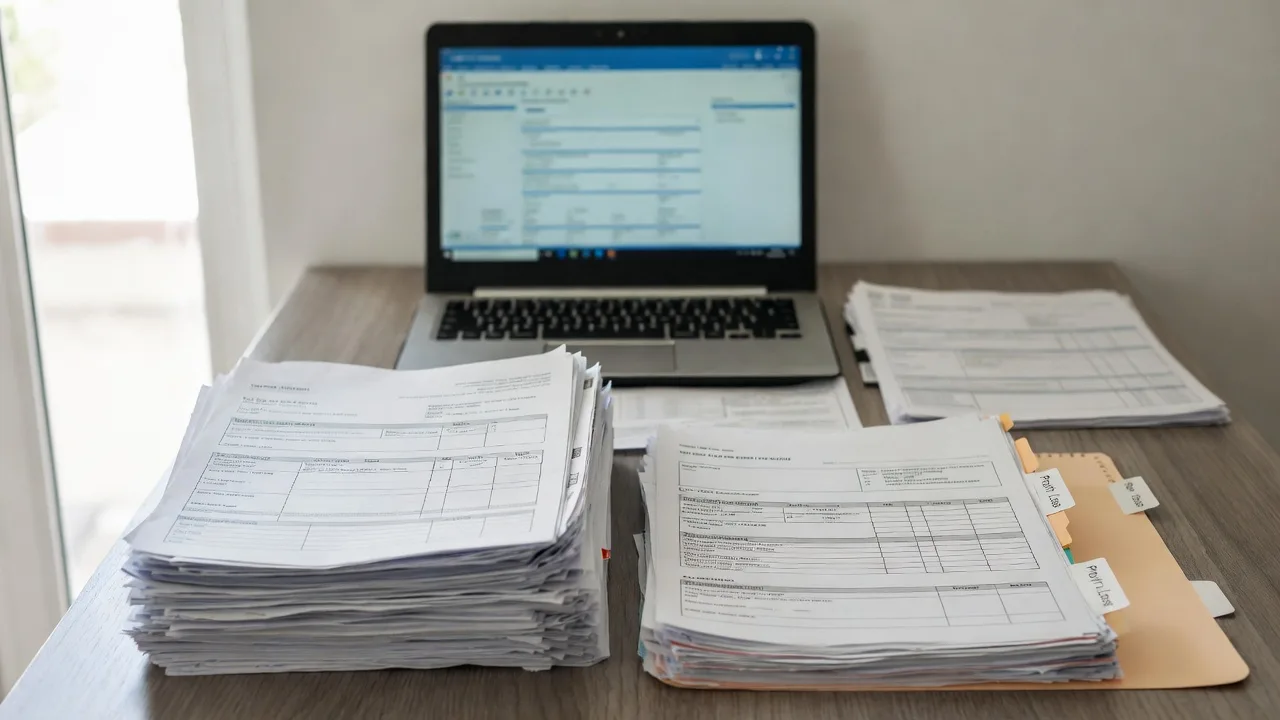
Three to six months of business bank statements. Underwriters study these looking for patterns. Steady deposits? Good. Irregular income bouncing all over? Concerning. Overdraft fees? Red flag. They’re trying to predict whether you can reliably make loan payments.
Current profit and loss statement plus balance sheet. These show year-to-date performance. Lenders compare them against your tax returns—any major discrepancies and they’ll want explanations.
Complete list of existing business debts. Every loan, credit line, equipment lease, everything. They need this to calculate whether you can afford another payment.
Your LLC formation documents. Articles of Organization prove your business exists legally. Your Operating Agreement shows who owns what and how the company is managed.
Whatever licenses your industry requires. Restaurants need health permits. Contractors need licenses. Professional services need certifications. Lenders verify you’re operating legally.
One thing people forget: if your LLC owns equipment or property worth significant money, having recent appraisals ready can help, especially for secured loans.
Step-by-Step Process to Apply for an LLC Business Loan
Step 1: Check your business credit reports at least 60 days before applying. Pull reports from all three commercial bureaus. You’ll probably find errors—most businesses do. Dispute anything inaccurate and pay off any outstanding vendor debts that might be reporting. This one step can flip a rejection into an approval.
Step 2: Figure out exactly how much you need. Borrow too much and you’re paying interest on money sitting unused. Borrow too little and you’ll need another loan sooner than expected. Write out specifically where every dollar will go: $40,000 for new equipment, $15,000 for inventory, $10,000 for marketing, $5,000 as cash cushion.
Step 3: Match the loan type to your actual need. One-time equipment purchase? Term loan. Fluctuating working capital needs? Line of credit. Buying out a partner? SBA loan might work best. Don’t just take whatever a lender offers first—different loan structures serve different purposes.
Step 4: Research which lenders actually work with your type of business. Some banks love restaurants but won’t touch construction companies. Certain online lenders specialize in retail but avoid service businesses. Credit unions often favor local businesses they can visit. Spend time finding lenders that already approve businesses like yours.
Step 5: Put together a professional loan package. Gather every document listed earlier. Write a two-page overview explaining what your LLC does, when you started, why you need financing, and how you’ll use the money. First impressions matter—a disorganized application suggests disorganized business operations.
Step 6: Apply to three to five lenders at once. Don’t wait for Bank A to reject you before trying Bank B. Business credit inquiries affect your score less than personal credit pulls, and you’ll often see massive rate differences. Some businesses discover 3-4 percentage point spreads between their best and worst offers.

Step 7: Respond to underwriter requests immediately. When they ask for clarification about a bank transaction or want additional documentation, they typically want answers within 48-72 hours. Delays make them nervous and can cause your application to expire.
Step 8: Read every word of loan documents before signing. Check the interest rate, total repayment period, prepayment penalties (some lenders charge you for paying off loans early), and whether you’re personally guaranteeing the debt. Some loans include covenants limiting future borrowing or requiring minimum cash balances. Understand what you’re agreeing to.
Step 9: Keep detailed records of how you spend loan proceeds. Some businesses open a separate account specifically for loan funds, documenting every expenditure. This protects you if the lender audits fund usage and creates clean records for tax purposes.
Types of Loans Available for LLCs Using an EIN
Different loan products serve completely different business needs, each with unique qualification standards.
Term loans give you a lump sum paid back over a set period—anywhere from one to ten years. Traditional banks offer rates around 6-12% right now (early 2026) but their requirements are strict. Online lenders approve faster with rates between 10-30% depending on your business strength. Best uses: buying equipment, expanding operations, acquiring another business, or purchasing real estate.
SBA loans come in several flavors, with the 7(a) program being the most common. The Small Business Administration guarantees part of the loan, which reduces the lender’s risk and gets you better terms—typically 6-9% with up to 25 years to repay real estate loans. The tradeoff? Mountains of paperwork, 60-90 day approval timelines, and you’ll still need to personally guarantee the loan despite your LLC structure. The SBA 504 program focuses specifically on fixed assets like real estate and major equipment.

Business lines of credit work like credit cards for your company. You get approved for a maximum—say $100,000—and draw what you need when you need it, paying interest only on what you actually use. Perfect for businesses with seasonal revenue swings or unpredictable expenses. Rates typically run 8-25%, and many charge annual fees whether you use the line or not.
Equipment financing uses whatever you’re buying as collateral. The lender holds a lien on the equipment, which makes approval easier even for newer businesses. Can’t make payments? They take back the equipment. Simple. Rates range from 6-20% depending on what you’re buying and your business financials. These loans usually cover 80-100% of equipment cost with repayment terms matching how long the equipment should last.
Invoice factoring converts unpaid customer invoices into immediate cash. You sell invoices to a factoring company at a discount (usually 2-5%) and get 70-90% of the invoice value right away. When your customer pays, you get the rest minus fees. This isn’t technically a loan, so credit requirements are minimal, but the costs add up fast if your customers pay slowly.
| Loan Type | Typical Amount Range | Approval Time | Credit Requirements | Best Used For |
|---|---|---|---|---|
| Term Loan | $25,000–$500,000 | 1–6 weeks | 650+ personal score, 2+ years operating | Equipment purchases, expansion projects, business acquisitions |
| SBA 7(a) Loan | $50,000–$5,000,000 | 60–90 days | 680+ personal score, solid financials | Real estate purchases, major investments, working capital |
| Business Line of Credit | $10,000–$250,000 | 3–10 days | 600+ personal score, 6+ months in business | Managing seasonal cash flow, emergency expenses |
| Equipment Financing | $5,000–$5,000,000 | 3–7 days | 600+ personal score, equipment serves as collateral | Machinery, vehicles, technology equipment |
| Invoice Factoring | $10,000–$10,000,000 | 1–3 days | Minimal requirements, based on customer payment history | Immediate cash needs, slow-paying customers |
Where to Apply: Banks, Credit Unions, and Online Lenders
Each category of lender serves different business profiles with distinct tradeoffs between speed, cost, and approval odds.
Traditional banks give you the lowest rates and longest repayment terms but make you jump through the most hoops. Expect them to require two-plus years in business, annual revenue over $250,000, personal credit above 680, and consistent profitability. Regional and community banks often show more flexibility than national chains. The timeline? Figure 3-8 weeks from application to funding, with multiple documentation requests along the way. Banks make sense for established LLCs with clean financials seeking larger loans ($100,000+) at the best rates available.
Credit unions sit somewhere in the middle—more flexible than banks but better rates than online lenders. Many credit unions emphasize relationship banking, considering factors beyond pure numbers. Maintained business accounts with a credit union for three years? They might overlook a credit blip or shorter operating history. Approval typically takes 2-4 weeks. The limitation? Most credit unions cap business loans around $250,000-$500,000, so they won’t work for larger financing needs.
Online lenders trade lower rates for speed and accessibility. Companies like Bluevine, OnDeck, and Fundbox approve loans in days instead of weeks, often working with businesses that have only 6-12 months of history and accepting personal credit scores as low as 600. That convenience costs you—rates typically hit 12-40% depending on loan type and your risk profile. Online lenders work great for time-sensitive situations: covering payroll during a cash crunch, buying inventory for an unexpected large order, or bridging gaps while waiting for customer payments.
SBA Preferred Lenders combine government backing with faster processing. These banks have delegated authority to approve SBA loans without waiting for government review, cutting timelines from 90 days down to 30-45 days. If you qualify for SBA financing, working with a Preferred Lender significantly speeds things up.
Consider applying to one option in each category simultaneously. Bank A might reject you while Credit Union B approves you, and Online Lender C offers approval within 48 hours at a higher rate. Having multiple offers lets you make informed decisions rather than accepting whatever comes through first.
Common Mistakes That Lead to Loan Rejection
Understanding why applications fail helps you avoid these problems before they cost you an approval.
Requesting too much money too soon. A six-month-old LLC asking for $200,000 faces almost certain rejection from traditional lenders. General rule: loan amounts shouldn’t exceed 25-50% of annual revenue for businesses under three years old. So a company generating $150,000 yearly might qualify for $35,000-$75,000, but not $200,000. Scale your request to match your business maturity.
Mixing personal expenses with business accounts. When underwriters review bank statements and see “personal withdrawal,” “transfer to personal account,” or payments to your personal Visa, they question whether your LLC is a real business or just a tax strategy. This mixing also weakens the liability protection you created by forming an LLC. Keep everything completely separate—not a single crossover transaction.
Submitting incomplete applications with inconsistent numbers. If your application claims $400,000 in annual revenue but your tax return shows $280,000, expect immediate rejection. Leaving questions blank or giving vague answers suggests disorganization. One major lender reported that 40% of declined applications failed because of incomplete information, not actual disqualification.
Showing adequate revenue but terrible cash flow. Revenue means nothing if expenses eat it all. Lenders calculate debt-service coverage ratio—usually requiring monthly cash flow to exceed total monthly debt payments (including the new loan) by at least 1.25 times. A business earning $30,000 monthly but spending $28,000 can’t afford a $3,000 loan payment. Analyze whether your cash flow actually supports more debt before applying.
Choosing the wrong loan product for your situation. Asking for a term loan when you need revolving credit, or requesting equipment financing for working capital, confuses lenders and often triggers rejection. Different lenders specialize in specific products; applying for the wrong one wastes time and adds another inquiry to your credit reports.
Ignoring problems on your business credit report. Outstanding judgments, tax liens, or unpaid vendor debts reporting to commercial bureaus will sink applications. Pull business credit reports before applying and fix problems first. A $2,000 vendor debt you forgot about might cost you a $100,000 loan approval.
The biggest mistake I see business owners make is waiting until they desperately need money before applying for financing. Lenders smell desperation, and it works against you. Build banking relationships and establish business credit while you’re financially healthy, not when you’re three weeks from missing payroll.
Marcus Chen, Small Business Finance Advisor, National Small Business Association
FAQs
Very rarely for newer businesses. Lenders almost always require personal guarantees for LLCs under 3-5 years old, regardless of business credit strength. Once your company establishes substantial business credit, maintains significant cash reserves, and shows consistent profitability over several years, some lenders will extend non-recourse loans based purely on business credentials. Large corporations borrow without personal guarantees all the time, but small LLCs typically need considerable financial strength first. Exception: invoice factoring and certain equipment financing arrangements focus primarily on collateral value rather than personal guarantees.
Both business and personal credit scores matter for most LLC loans. On the business side, target a Dun & Bradstreet PAYDEX score of 80 or higher (on a scale of 0-100) to access the best terms. Experian Business scores above 75 and Equifax Business scores above 700 also help significantly. That said, lenders almost always check your personal credit too, especially if your business is under five years old. Personal FICO scores of 680 or higher open most doors. Scores between 650-679 limit your options but don’t eliminate them entirely. Below 650? Expect to work mainly with alternative lenders at higher rates or provide substantial collateral.
Extremely difficult without additional supporting factors. A newly-formed LLC with no operating history, zero revenue, and no business credit will face rejection from virtually all traditional lenders. Your options as a startup include: taking personal loans that you contribute to your LLC as capital, securing loans with personal assets (like home equity), bringing on investors instead of taking debt, or working with microlenders and nonprofit lenders that specifically support startups. Some online lenders advertise startup business loans, but they’ll heavily weight your personal credit, require personal guarantees, and charge significantly higher rates than loans for established businesses.
Request detailed feedback from the lender about specific reasons for denial. Common causes include insufficient operating history, inadequate cash flow, credit problems, or incomplete documentation. Address these issues before applying elsewhere. Got rejected by a bank? Try credit unions or online lenders with more flexible standards. If multiple lenders reject you? Pause and strengthen your business fundamentals—increase revenue, improve credit scores, or reduce existing debt—before applying again. Multiple rejections in a short period make subsequent approvals less likely. Consider alternatives like vendor credit, business credit cards, or invoice factoring while building qualifications for traditional loans.
Securing financing through your LLC using your EIN instead of personal borrowing creates financial separation that protects personal assets while developing business credit. The process demands preparation—establishing business credit, maintaining clean financial records, and understanding which lenders match your business profile.
Start by checking your business credit reports and fixing any problems well before you need financing. Build relationships with banks and credit unions while your business is financially healthy instead of waiting for emergencies. Choose loan structures that match your actual needs rather than accepting whatever becomes available first.
Understand that borrowing as an LLC represents a progression rather than an immediate option for new businesses. You’ll likely provide personal guarantees initially, but consistent performance eventually unlocks true business-only financing. Each on-time payment strengthens your business credit profile, expanding future opportunities and improving terms. The separation between personal finances and LLC obligations becomes more pronounced as your company matures, delivering the liability protection and financial flexibility that motivated forming your LLC in the first place.