
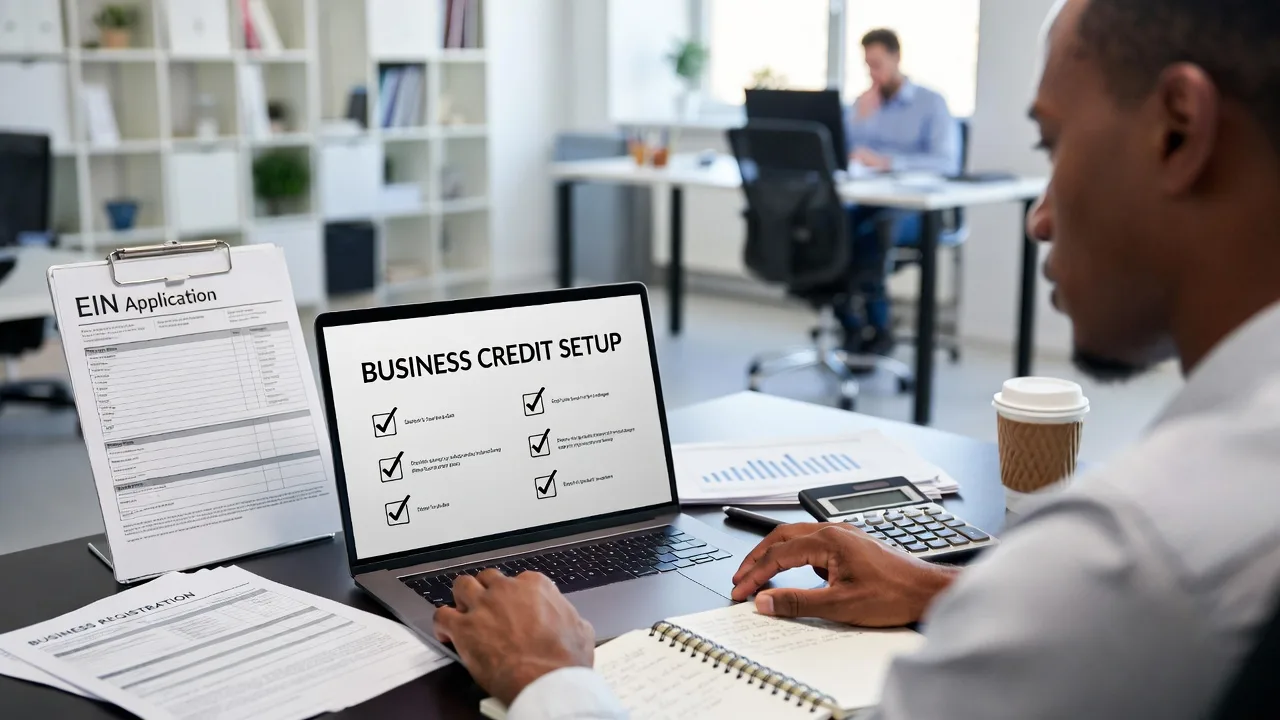
Most entrepreneurs burn through personal credit cards or drain savings to fund their companies. That’s because they never took time to build a separate credit profile for their business—one that operates independently from personal finances and opens doors to capital without risking home equity or retirement accounts.
You can avoid this trap. The path to solid business credit isn’t mysterious, but you’ll need to complete specific steps in order and wait for credit bureaus to recognize your payment patterns.
What Business Credit Is and Why It Matters
Your business credit profile tracks how your company handles financial obligations as its own legal entity. Where your personal credit follows activity tied to your Social Security number, a business credit file connects to your Employer Identification Number and monitors payments to suppliers, creditors, and service providers.
Why does this separation matter? Three concrete benefits stand out.
Your personal assets stay protected. After you’ve built legitimate business credit, lenders review your company’s track record instead of scrutinizing your personal credit score. Someone with a 620 personal FICO score can still secure a $75,000 business credit line if their company demonstrates reliable payment behavior across multiple accounts.
Credit limits expand dramatically. Personal credit cards top out around $20,000-25,000 for most people. Business credit facilities routinely extend $100,000 or more to companies with established payment histories. One manufacturing client graduated from $5,000 in personal card debt to a $250,000 business line of credit within two years of building business credit systematically.
Your company becomes more valuable. During acquisitions or investment discussions, buyers examine existing credit relationships as tangible assets. A business with five years of vendor credit history and multiple banking relationships carries more value than an identical business operating on the owner’s personal credit.
Scoring works differently too. Personal FICO scores run from 300 to 850, and anything above 670 qualifies as decent. Business credit bureaus use various scales—some 0-100, others spanning completely different ranges. Beyond just scores, business credit reports reveal granular payment data: exactly which vendors you paid, when payments arrived, and whether you took early payment discounts. Public records appear too, including tax liens, legal judgments, years in operation, and estimated employee counts.
When you grasp how business credit actually functions explained through real-world lending decisions, you’ll understand it extends far beyond simply obtaining a credit card—you’re constructing a financial identity that exists separately from your personal reputation.
Requirements Before You Start Building Business Credit
Certain foundational elements must exist before credit bureaus will track your business activity. Missing even one requirement creates gaps that delay everything by months.
Legal Business Structure: You must establish your company as a recognized legal entity distinct from yourself. File formation documents with your state for an LLC, corporation, or partnership. Sole proprietors need to register a DBA (Doing Business As) name. The structure you select affects taxes and liability, but for credit purposes, what matters is having official state registration proving your business exists as a separate entity.
Employer Identification Number (EIN): Your EIN functions as a unique identifier the IRS assigns to your business. You can obtain one free from the IRS website in about 15 minutes. Some vendors will accept a sole proprietor’s SSN, but this defeats your entire purpose—you’re trying to separate business from personal finances. Even single-member LLCs should operate under an EIN exclusively.
Business Bank Account: Open checking in your company’s registered legal name at a bank that shares data with business credit bureaus. Never combine business expenses with your personal checking. This single error undermines every other credit-building action you take. The account needs regular activity—consistent deposits and withdrawals—because inactive accounts signal to bureaus that your business may not be operating.

Physical Business Address: You need a verifiable street address (not a PO Box for initial registration). Credit bureaus confirm addresses through public records, utility connections, and directory services. Working from home? Your residential address works fine, though you should consider how public business records displaying your home address might affect privacy. Virtual office addresses function adequately but sometimes require additional verification documents.
Business Phone Number: Establish a dedicated line listed under your business name in directory services and online business listings. This number should appear consistently on your website, invoices, and credit applications. While a Google Voice number technically works initially, a traditional business line from a major telecommunications provider appears more established to credit analysts.
These prerequisites aren’t optional suggestions—they’re mandatory requirements. Attempting to build business credit without completing them wastes months and creates reporting errors that take extensive effort to untangle.
Step-by-Step Process to Establish Business Credit
The sequence matters. Skipping ahead or reversing steps closes off access to better credit products later.
Register Your Business with Credit Bureaus
Unlike personal credit bureaus that automatically capture your activity when you turn 18, business credit bureaus don’t know your company exists until you tell them. The three major bureaus—Dun & Bradstreet, Experian Business, and Equifax Business—require proactive registration.
Begin with Dun & Bradstreet by requesting your D-U-N-S Number, which is a unique nine-digit identifier for businesses. This number is free, although D&B sells premium services that speed up processing or enhance your profile visibility. Once you receive your D-U-N-S Number, fill out your complete business profile with accurate details about structure, ownership, and operations.
Next, complete registration at Experian Business and Equifax Business. Both offer free registration, though they also sell paid monitoring services. Provide identical information across all three bureaus—inconsistencies in your business name, address formation date, or owner details can create multiple disconnected credit files that scatter your payment history across separate profiles.
Open Trade Lines with Vendor Credit
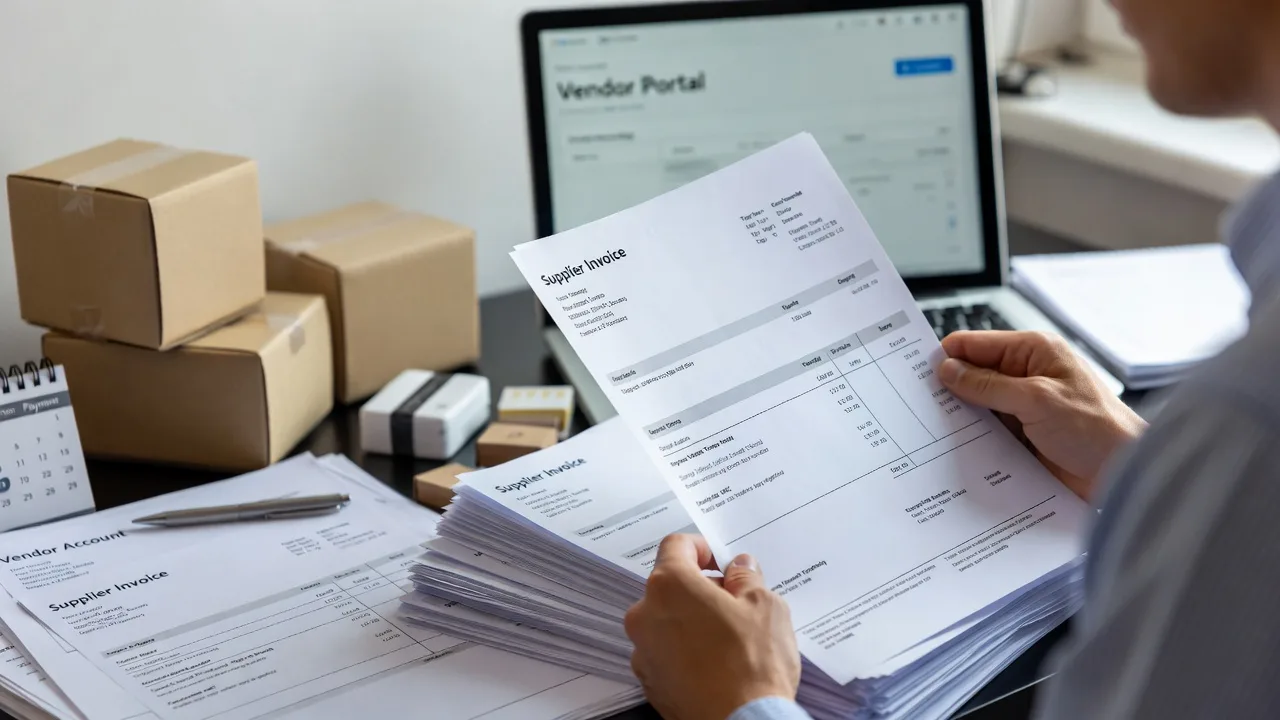
Vendor credit (sometimes called trade credit) forms the foundation of business credit. These accounts represent suppliers who ship products immediately and bill you 30 days later, then report your payment behavior to credit bureaus.
Begin with “starter vendors” that approve companies without existing credit files. Quill (office supplies), Uline (packaging materials), and Grainger (industrial equipment) routinely approve new businesses and report to at least one major bureau. Net-30 terms mean you receive shipments today and pay within 30 days without interest charges.
Purchase small amounts—$75 to $150—and pay several days before the due date. After establishing three to six months of reliable payments with starter vendors, you’ll qualify for “second-tier” vendors offering larger credit limits. These include fuel cards from companies like WEX or Comdata, plus accounts with larger specialized suppliers in your industry.
Critical point: confirm vendors actually report to credit bureaus before opening accounts. Call their credit department directly and ask specifically which bureaus receive their monthly reports. Accounts that never report still provide useful payment terms for cash flow, but they accomplish nothing for building your credit profile.
Apply for a Business Credit Card
Business credit cards enter the picture after you’ve established several vendor trade lines. Applying prematurely generates denials that appear on reports—and most issuers still check your personal credit and require personal guarantees initially.
Cards suited for new businesses include American Express Blue Business Cash, Chase Ink Business Cash, and Capital One Spark Classic. These products report to business credit bureaus while building your company’s payment record. Charge regular business expenses to the card, maintain utilization under 30% of your limit, and pay balances completely each month.
Several business cards don’t report to personal credit bureaus unless you default, which shields your personal credit score from the account’s utilization percentage. However, nearly all business card applications still trigger a hard inquiry on your personal credit report during the approval process.
Monitor Your Business Credit Reports
Pull reports from all three bureaus every quarter. Unlike personal credit where federal law guarantees one free annual report from each bureau, business credit reports typically cost $40 to $200 apiece. Some monitoring services offer subscriptions that include regular report access for $30-100 monthly.
Review for errors in company information, payment records, and public records. Mistakes happen frequently—vendors sometimes report payments to the wrong business profile when company names sound similar. Dispute any errors immediately using each bureau’s specific dispute procedures.
Monitoring also reveals which creditors actually report. Some vendors report monthly, others every quarter, and some only notify bureaus about late payments. Understanding these patterns helps you concentrate activity on accounts that report frequently to all three bureaus, maximizing credit-building impact.
This systematic process for how to establish business credit demands consistency over months. The steps themselves aren’t complicated, but they require disciplined execution across extended timeframes rather than quick bursts of activity.
Common Mistakes That Damage Business Credit
Four preventable errors cause the majority of business credit problems.

Mixing Personal and Business Expenses: Paying business invoices from personal accounts or running business charges through personal cards creates confusion in your credit profiles. Lenders interpret this mixing as evidence that your business lacks financial stability or that you don’t maintain proper accounting practices. More seriously, combining finances can eliminate the legal liability protections that business structures provide, potentially exposing personal assets to business debts. Maintain absolute separation for every transaction, even when it feels inconvenient.
Late Payments: Business credit scoring emphasizes payment history intensely, and late payments destroy scores faster than with personal credit. A payment arriving 30 days late to a reporting vendor can drop your business credit score by 20-30 points. Unlike personal credit where you typically have grace periods, business credit often marks payments late the day after they’re due. Configure automatic payments for all accounts or use calendar systems with multiple reminders before each due date.
Applying Too Early: Requesting major business credit before establishing foundational trade lines generates denials. Each denial gets recorded on your business credit report, and multiple rejections signal financial desperation to other lenders reviewing your file. Follow the proven sequence: vendor credit first, then secured business cards, followed by unsecured cards, and finally term loans or substantial credit lines.
Not Monitoring Reports: Business credit reports contain more errors than personal credit reports because business data flows from more varied sources with less standardization. A vendor might accidentally report your payment to another company with a similar name, or public records might incorrectly attach a judgment to your business. Without regular monitoring, these errors persist for years and continuously damage your creditworthiness without your knowledge.
A real estate investor opened nine vendor accounts within her first three weeks, eager to accelerate credit building. Eight months later, she discovered that six vendors never reported to any bureau, two reported exclusively to Dun & Bradstreet, and only one reported to all three bureaus—but with a 90-day delay. Despite making payments on time for nearly a year, her business credit profile remained almost empty. The lesson: verify exact reporting practices before opening each account, and concentrate your spending with vendors who report monthly to all three bureaus simultaneously.
Timeline and Expectations for Building Business Credit
Building business credit follows a reasonably predictable schedule, though your specific industry and credit needs affect timing.
Months 1-3: Complete registration with credit bureaus, open starter vendor accounts, and begin establishing payment patterns. Your business credit reports will look sparse, displaying basic company details and maybe one or two trade lines. Don’t expect scores yet—most bureaus need at least three active reporting accounts before calculating scores.

Months 4-6: Add second-tier vendors and submit your first business credit card application. Your Dun & Bradstreet PAYDEX score (if generated) might reach 70-80, which lenders consider acceptable. Experian and Equifax scores start appearing as more accounts begin reporting. You’re transitioning from “no credit” to “thin credit file” status.
Months 7-12: With sustained on-time payments, scores climb high enough to qualify for increased credit limits and improved terms. A PAYDEX score reaching 80+ (indicating on-time or early payments) qualifies you for net-60 or net-90 vendor terms and higher credit card limits. Your business credit reports now display clear patterns of responsible credit management.
Year 2 and Beyond: Established business credit enables applications for term loans, equipment financing, and substantial lines of credit—sometimes without requiring personal guarantees, depending on your business revenue and asset base. Credit limits increase automatically as lenders observe consistent payment patterns and business expansion.
Here’s a concrete example: A graphic design LLC formed in March registers with credit bureaus and opens Quill and Uline accounts in April. By July, both vendors report consistent positive payment history. In August, the owner obtains an American Express Blue Business Cash card with a $7,500 limit. By February of the following year, the PAYDEX score hits 85, and the business qualifies for a $20,000 line of credit from a regional bank. During year two, the business accesses $65,000 in combined credit across three cards and the line of credit, none appearing on the owner’s personal credit report.
Your specific timeline might accelerate if you make frequent substantial purchases that vendors report, or slow down if you operate in an industry where credit terms aren’t standard practice. The essential factor is consistent activity—one trade line reporting every month builds more value than seven accounts with sporadic or delayed reporting.
How Business Credit Bureaus Differ from Consumer Bureaus
Business credit bureaus function differently than Equifax, Experian, and TransUnion (the consumer reporting agencies). Recognizing these differences prevents confusion when reviewing your business credit reports.
| Bureau | Score Types & Ranges | Individual Report Price | Who Uses Them | Distinguishing Characteristics |
|---|---|---|---|---|
| Dun & Bradstreet | PAYDEX: 1-100 (tracks payment speed); Failure Score: 1,001-1,875 (predicts closure risk); Delinquency Score: 1-5 (measures severity of late payments) | $61.99-$299.99 depending on detail level | Major lenders, Fortune 500 suppliers, international corporations | Requires D-U-N-S Number for identification; longest operating business credit bureau; maintains massive business information database beyond just credit |
| Experian Business | Intelliscore Plus: 1-100; Financial Stability Risk (FSR): 1-300 | $39.95-$189.95 based on report depth | Small business lenders, community banks, SBA loan programs | Occasionally incorporates personal credit factors into risk calculations; particularly influential in small business lending decisions |
| Equifax Business | Payment Index: 0-100; Credit Risk Score: 101-992 | $99.95-$200 per report | Commercial lenders, B2B suppliers, large equipment financing companies | Provides Business Failure Score predicting closure probability; includes detailed comparisons to similar businesses in your industry and region |
Dun & Bradstreet remains the oldest and most recognized bureau, especially for large corporate supplier relationships. Their PAYDEX score concentrates exclusively on payment timing—80 indicates on-time payment, 90+ reflects early payment, and anything below 80 signals late payments. Many national vendors require minimum PAYDEX scores before approving credit applications.

Experian Business dominates among small business lenders and sometimes blends personal credit factors into their scoring algorithms. When pursuing SBA loans or small business financing, lenders frequently pull Experian Business reports because they deliver comprehensive views of small business risk that incorporate both business and personal factors.
Equifax Business emphasizes commercial credit and risk prediction. Their reports contain extensive industry benchmarking data, enabling lenders to evaluate your business against comparable companies in your specific sector and geographic region.
Unlike consumer credit bureaus that receive data automatically from virtually all creditors, business credit bureaus depend on voluntary reporting. A vendor might report to one bureau, two bureaus, or skip reporting entirely. This fragmentation means your business credit profile can look dramatically different across the three bureaus, which explains why monitoring all three matters significantly.
Establishing business credit ranks as the most crucial financial action a business owner can take after opening a separate business bank account.Too many entrepreneurs drain personal credit cards or take second mortgages to fund operations because they never built business credit. The separation isn’t merely sound accounting—it’s critical financial protection that can preserve your personal financial stability when the business encounters rough patches.
Jennifer Martinez
FAQs
You can, though initial steps prove more challenging. Business credit operates independently from personal credit, so your personal score doesn’t directly determine your business credit score. That said, most lenders demand personal guarantees for new businesses, particularly for credit cards and loans. Focus on vendors that skip personal credit checks—many starter vendors approve applications based exclusively on business information. As your business credit strengthens over time, you’ll access products that eliminate personal guarantees entirely, creating true separation between your personal and business credit.
Incorporation isn’t mandatory, but forming an LLC or corporation simplifies the entire process substantially. Sole proprietors can build business credit using DBA registration and an EIN, but numerous vendors and lenders prefer working with incorporated entities because they represent more established operations. Corporations and LLCs also deliver liability protection that sole proprietorships completely lack. If you’re committed to building business credit, spending $100-300 on LLC formation and annual maintenance fees provides worthwhile returns.
Sole proprietors can definitely build business credit, but the process demands extra steps. You’ll need an EIN rather than using your SSN, a business name registered through DBA filing, and a business bank account opened in that registered business name. The complication is that numerous lenders consider sole proprietorships riskier than LLCs or corporations, which restricts your available credit options. Some vendors refuse to extend credit to sole proprietorships under any circumstances. If you intend to remain a sole proprietor, concentrate on vendors that explicitly welcome sole proprietorships and strongly consider converting to an LLC as your business expands.
The fundamental process costs minimal money—$0 for your EIN, $0 for credit bureau registration, and usually under $15 monthly for a basic business bank account. Opening vendor accounts carries no fees, though you’ll need working capital to make initial purchases. Primary costs come from monitoring credit reports ($40-200 per individual report, or $20-100 monthly for continuous monitoring services) and annual fees on business credit cards ($0-95 for starter cards). Budget roughly $200-500 for your first year to cover report monitoring and various account fees. Avoid services charging thousands of dollars to “build your business credit”—you can complete every step yourself using readily available free information and resources.
Establishing business credit shields your personal finances while expanding your company’s access to capital. The process demands meeting specific requirements—legal business structure, EIN, business bank account, and dedicated business contact information—before you start building credit history through vendor accounts and business credit cards.
Begin with credit bureau registration, advance to starter vendors that report payment history, then progress to business credit cards and eventually larger credit products. Monitor your reports across all three major business credit bureaus to identify errors early and track your advancement. Never mix personal and business finances, pay every bill before the due date, and allow the process at least six months before expecting meaningful results.
The timeline stretches across months rather than weeks, but the benefits justify the wait: substantially higher credit limits, more favorable loan terms, and financial separation that protects your personal assets when business challenges emerge. Execute the steps systematically, and your business will possess the credit foundation needed to expand without jeopardizing your personal financial security.